Reach NZ Evangelism Network
Introduction
One of the most misunderstood truths in the Body of Christ today is the difference between:
- Receiving the Holy Spirit at salvation
- Being baptized (fully immersed) in the Holy Spirit after salvation
Many believers assume these are the same experience. Scripture clearly reveals they are distinct works of the Spirit, occurring at different times and for different purposes (Acts 2:38; Acts 1:5).
Understanding this truth is vital for:
- Walking in assurance of salvation (Romans 8:16)
- Operating in spiritual power (Acts 1:8)
- Effectively preaching the gospel in these last days (Mark 16:20)
1. Receiving the Holy Spirit at Salvation

Every sinner who repents and believes receives the Holy Spirit the moment they believe.
Receive the Holy Spirit at repentance and faith (Acts 2:38)
- Believers are sealed immediately (Ephesians 1:13)
- Being born again is being born of the Spirit (John 3:5–6)
Key Truth: The moment you believe, you are born again and the Holy Spirit dwells within you.
2. The Disciples Received the Holy Spirit Before Pentecost
After His resurrection:
“He breathed on them and said to them, ‘Receive the Holy Spirit.’”
(John 20:22)
Explanation:
- The disciples believed Jesus is the Messiah (John 16:30–31)
- Jesus breathed on them and imparted the indwelling Holy Spirit (John 20:22)
- They were born again before Pentecost (John 3:3–6)
3. Waiting for the Baptism in the Holy Spirit
- Wait for power from on high (Luke 24:49)
- Promise of future baptism in the Holy Spirit (Acts 1:5)
Key Truth:
Receiving the Spirit at salvation is not the same as being baptized in the Spirit for power.
4. The Baptism in the Holy Spirit Brings Power (Acts 2)
How to Receive the Baptism in the Holy Spirit
The Bible shows that believers can receive the baptism in the Holy Spirit through faith, often accompanied by the laying on of hands:
- Believers received the Holy Spirit through the laying on of hands (Acts 8:17)
- Paul laid hands on disciples and they were filled with the Holy Spirit (Acts 19:6)
Important Clarification
While the laying on of hands is a biblical pattern, it is vital to understand that no man baptizes another believer in the Holy Spirit.
Jesus Himself is the One who baptizes in the Holy Spirit.
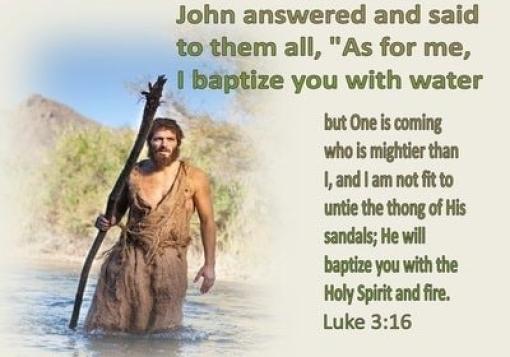
- John the Baptist declared that Jesus is the One who baptizes in the Holy Spirit (Matthew 3:11)
- The promise of Spirit baptism comes from Christ, not man (Acts 1:5)
Explanation
- A believer who has received the Holy Spirit at salvation and has already been baptized in the Holy Spirit by Jesus may lay hands on another believer (Acts 8:17)
- This person prays in faith, asking Jesus to baptize the believer in the Holy Spirit
- The laying on of hands is an act of obedience and a point of contact for faith, not the source of the baptism
It is not the person praying who baptizes them—Jesus Christ alone pours out the Holy Spirit.
Key Truth: A Spirit-filled believer may lay hands and pray, but Jesus alone is the Baptizer in the Holy Spirit (Matthew 3:11; Acts 1:5).
What You Must Do
- Believe the promise is for you (Acts 2:38–39)
- Ask in faith (Luke 11:13)
- Yield your heart and voice to the Holy Spirit (Acts 2:4)
Encouragement
Whether through prayer alone or through the laying on of hands, remember this:
You are not receiving from a man—you are receiving from Jesus Christ, who baptizes you in the Holy Spirit with power (Acts 1:8).
Is the Baptism in the Holy Spirit a One-Time Event or Ongoing?
1. The Baptism in the Holy Spirit is a Definite, Initial Experience
The baptism in the Holy Spirit is a distinct, one-time event that happens after salvation, where a believer is first immersed in the Spirit’s power.
Scriptural Evidence
- Jesus promised a specific event (Acts 1:5)
- The disciples were baptized at Pentecost (Acts 2:4)
- The experience is identifiable and definite (Acts 19:6)
Key Truth
The baptism in the Holy Spirit is a real, identifiable moment when a believer is first filled with supernatural power.
2. But Believers Must Continue to Be Filled
Although the baptism itself is a one-time initiation into Spirit-empowered living, Scripture clearly teaches that believers need ongoing fillings of the Holy Spirit.
Scriptural Evidence
- “Be filled with the Spirit” (continuous command) (Ephesians 5:18)
- The same disciples were filled again after Pentecost (Acts 4:31)
3. The Pattern in the Book of Acts
- Acts 2 – Initial baptism in the Holy Spirit (Acts 2:4)
- Acts 4 – They were filled again with boldness (Acts 4:31)
This shows:
- The baptism happens once
- The filling/refreshing happens repeatedly
4. Explanation
- The baptism in the Holy Spirit is like being immersed once into a new realm of power
- Ongoing fillings are like continual refilling and stirring of that power
- A believer does not need to be “re-baptized,” but they do need to be continually filled and yielded
5. Practical Understanding
If a believer:
- Has experienced the initial baptism (Acts 2:4)
- But lacks current boldness or spiritual vitality
They do not need a new baptism, but a fresh filling of the Holy Spirit (Acts 4:31)
Key Truth: The baptism in the Holy Spirit is a one-time event, but the filling of the Holy Spirit is an ongoing experience that must be continually renewed (Ephesians 5:18; Acts 4:31).
Final Encouragement
God does not intend for you to live on a past experience.
- You were baptized once into power (Acts 1:8)
- You are to be continually filled with that power (Ephesians 5:18)
Walk daily in the fullness of the Spirit, and He will continually empower you to live and preach the gospel with boldness (Acts 4:31).
Tongues: The Evidence of Spirit Baptism
Tongues are:
- Speaking mysteries to God (1 Corinthians 14:2)
- A means of strengthening and edifying the believer (1 Corinthians 14:4; Jude 20)
- A supernatural language given by the Holy Spirit (Acts 2:4)
- Not learned or produced naturally (Acts 2:4)
- Described as the tongues of angels, a heavenly language directed to God (1 Corinthians 13:1)
Three Biblical Applications of Speaking in Tongues
1. Public Sign to Unbelievers (Acts 2:4–6)
- Spoken in evangelistic settings
- Hearers understand in their own language
- Shows a supernatural sign of God’s presence (1 Corinthians 14:22)
2. Church Gathering with Interpretation (1 Corinthians 14:27–28)
- Limited to 2–3 speakers
- Must be interpreted by the Holy Spirit
- Edifies the entire church
3. Private Prayer for Personal Edification (1 Corinthians 14:2–4; Jude 20)
- Spoken privately to God
- Strengthens the believer spiritually
- Builds intimate communion with God
Important Clarification
If a believer:
- Has not spoken in tongues (Acts 2:4)
- Lacks Spirit-empowered boldness (Acts 1:8)
- Sees no confirmation of the gospel through signs (Mark 16:20)
Then:
They have received the Holy Spirit at salvation, but have not yet been baptized in the Holy Spirit for power (Acts 1:5; Acts 2:4).
A Call to Receive the Baptism in the Holy Spirit
“Lord Jesus, I thank You for saving me. I desire the fullness of Your Spirit. Baptize me in the Holy Spirit and empower me to be a bold witness for You. Fill me with Your Spirit and give me the gift of tongues as You will. Amen.”
- Boldness to preach the gospel (Acts 4:31)
- Spiritual gifts for ministry (1 Corinthians 12:7)
- Deeper prayer life and personal edification (Jude 20)
**God is faithful. Just as He poured out His Spirit at Pentecost, He will pour out His Spirit on you today (Acts 2:17–18; Acts 2:38–39).
Contact Us

If you have any questions or would like more information, please complete our Contact Form.
NOTE: Copy and paste the name of this blog, The Holy Spirit: Receiving vs. Being Baptized, then add your message
Reach NZ is committed to equipping Kiwis to share this hope through evangelism. Explore our resources (see category list) and join us in reaching New Zealand with the gospel.
In Christ’s love,
The Reach NZ Ministry Team
www.reachnz.org