
Understanding Our Full Inheritance in Christ
Every genuine believer who has trusted in the gospel of grace alone—Christ’s death, burial, and resurrection for the forgiveness of sins—is immediately and permanently baptised with the Holy Spirit. This is the sovereign work of Jesus Christ Himself, immersing us into His body and uniting us eternally with Him.
“For by one Spirit we were all baptised into one body, whether Jews or Greeks, whether slaves or free, and we were all made to drink of one Spirit.” (1 Corinthians 12:13 NASB)
At the exact moment you believed, you were:
- Born again by the Spirit (Titus 3:5 NASB)
- Sealed forever with the Holy Spirit of promise as the guarantee of your inheritance (Ephesians 1:13-14 NASB)
- Baptized (fully immersed) with the Holy Spirit into Christ’s body
This baptism is once-for-all. It never needs to be repeated or sought again. Every spiritual blessing, every gift of the Spirit, every enablement for service is already yours in Christ from the instant of salvation. You are complete in Him (Colossians 2:10 NASB).
Because this is true, we never need to pray for a believer to “receive the baptism with the Holy Spirit” as if they lack it. They already possess it fully. To pray that way implies something is missing at conversion, which contradicts Scripture.
What believers often need—and what we should pray for—is to be filled with the Holy Spirit. This filling is the release and manifestation of the power already resident within them.
“And do not get drunk with wine, in which there is debauchery, but be filled with the Spirit.” (Ephesians 5:18 NASB)
The Greek here literally means “keep on being filled.” It is a repeated, ongoing yielding to the Spirit’s control. When we lay hands on believers and pray for them to be filled with the Holy Spirit, we are asking the Lord to empower them for service, to release the gifts already given at salvation, and to anoint them to preach the gospel with boldness and supernatural power.
This filling can happen at conversion for some, shortly after for others, or progressively over years as faith, surrender, and understanding grow. Spiritual gifts such as tongues, prophecy, healing, and miracles begin to flow freely as we yield more fully to the One who has dwelt in us from day one.
A Common Misinterpretation of the Baptism with the Holy Spirit
Many sincere believers have wrongly interpreted the baptism with the Holy Spirit as a post-salvation experience separate from conversion. They teach or pray for believers to “receive the baptism with the Holy Spirit” weeks, months, or years after salvation—often expecting tongues or other signs as evidence.
While their experiences of fresh power, tongues, and anointing are real and biblical, the label is misplaced. What they describe as a “second” baptism is actually a powerful filling of the Holy Spirit that releases the gifts and power already received at the moment of salvation. The true baptism with the Holy Spirit—placement into Christ’s body—happens instantly when we believe (1 Corinthians 12:13 NASB). What follows is not a new baptism but the progressive or sudden filling that activates what was already ours.
This misinterpretation, though well-meaning, can unintentionally undermine the completeness of salvation and the eternal security we have in Christ. It can leave believers seeking something they already fully possess, rather than simply yielding to and walking in the Spirit who has dwelt in them from day one.
The Order of a New Testament Church Gathering: Every Believer a Participant
In 1 Corinthians 14, Paul gives clear instructions for how the church should gather when it comes together “as a church” (v. 19, 23, 28). The pattern is radically different from much of what we see today:
“What is the outcome then, brethren? When you assemble, each one has a psalm, has a teaching, has a revelation, has a tongue, has an interpretation. Let all things be done for edification.” (1 Corinthians 14:26 NASB)
The gathering was designed so that every believer was an active participant, not a passive spectator. Each one was expected to come prepared to contribute something from the Spirit for the building up of the body—a song of praise, a doctrine or teaching from the Word, a revelation, a tongue with interpretation, or another gift.
This participatory model flows directly from the New Testament truth that every believer is a priest and a minister in the body of Christ. Through the finished work of Jesus, we have all been made a royal priesthood:
“But you are a chosen race, a royal priesthood, a holy nation, a people for God’s own possession, so that you may proclaim the excellencies of Him who has called you out of darkness into His marvellous light.” (1 Peter 2:9 NASB)
There is no longer a separate priestly class mediating between God and His people—every believer has direct access to God and is called to minister to one another. As priests, we build up the body through mutual ministry: exhorting, encouraging, teaching, and sharpening one another. “As iron sharpens iron, so one man sharpens another” (Proverbs 27:17 NASB). Every believer is a minister, equipped by the Spirit with gifts for the common good—not just the leaders or a ministry team, but every single member of Christ’s body.
Paul then provides order to prevent chaos: 1 Corinthians 14:27-40
- If anyone speaks in a tongue, let it be two—or at the most three—and each in turn, with one interpreting (vv. 27-28).
- Let two or three prophets speak, and let the others pass judgment (v. 29).
- Everything must be done properly and in an orderly manner (v. 40).
This structure ensured decency while allowing the Holy Spirit to move freely through every member of the body. No one person dominated; no one sat silently week after week as a mere observer. The meeting was interactive, edifying, and dependent on the active ministry of all believers.
Over time, the church drifted into a model where one or a few leaders do nearly all the ministry, and the rest attend as spectators. This has quenched the Spirit’s flow through the body and robbed many believers of exercising the gifts already given to them at salvation. God’s design is for every joint to supply its part (Ephesians 4:16 NASB), making the body strong, mature, and effective.
The Cancer of Cessationism in the Body of Christ
For centuries, the doctrine of cessationism—the belief that the miraculous gifts of the Spirit ceased with the apostles or the completion of the canon—has spread like a cancer through the body of Christ.
Though often taught with sincere motives, it has robbed the church of the full power and provision God intended for this age.
The result has been devastating:
- Weakness instead of power
- Division instead of the unity of the faith
- Immaturity instead of growing into the measure of the stature of the fullness of Christ
Scripture declares that the spiritual gifts—including apostles, prophets, evangelists, pastors, and teachers—are given:
“for the equipping of the saints for the work of service, to the building up of the body of Christ; until we all attain to the unity of the faith, and of the knowledge of the Son of God, to a mature man, to the measure of the stature which belongs to the fullness of Christ.” (Ephesians 4:12-13 NASB)
That “until” has not yet arrived. We have not yet reached full maturity or unity. Therefore, the gifts remain vital for the church today.
Cessationism, though not always intentional, has quenched the Spirit (1 Thessalonians 5:19 NASB) and fostered unbelief. It has left generations of believers without the full manifestation of the Spirit’s power that marked the early church—power for witness, healing, deliverance, and bold proclamation of the gospel.
Spiritual Gifts: God’s Provision for Every Believer
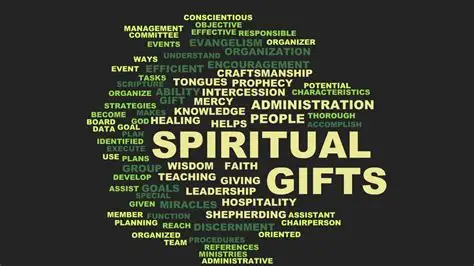
Spiritual gifts are supernatural abilities given by the Holy Spirit to every believer at the moment of salvation for the purpose of building up the body of Christ.
They are not natural talents, earned merits, or optional extras—they are grace gifts (Greek: charismata) sovereignly distributed by the Spirit for the common good.
“For to one is given the word of wisdom through the Spirit, and to another the word of knowledge according to the same Spirit; to another faith by the same Spirit, and to another gifts of healing by the one Spirit, and to another the effecting of miracles, and to another prophecy, and to another the distinguishing of spirits, to another various kinds of tongues, and to another the interpretation of tongues. But one and the same Spirit works all these things, distributing to each one individually just as He wills.” (1 Corinthians 12:8-11 NASB)
Key Truths About Spiritual Gifts
- Every Believer Receives At Least One Gift
There are no gift-less Christians. The moment you believed the gospel of grace, you were baptized with the Holy Spirit into Christ’s body (1 Corinthians 12:13 NASB), and the Spirit gave you at least one gift.
“But to each one is given the manifestation of the Spirit for the common good.” (1 Corinthians 12:7 NASB) - Gifts Are Sovereignly Distributed
The Holy Spirit decides which gift(s) each believer receives.
“But one and the same Spirit works all these things, distributing to each one individually just as He wills.” (1 Corinthians 12:11 NASB)
We do not choose our gifts; we discover and steward them. - Gifts Are for Edification, Not Personal Glory
They exist to serve others and build up the church, never to exalt the individual.
“Since we have gifts that differ according to the grace given to us, each of us is to exercise them accordingly…” (Romans 12:6 NASB) - Gifts Operate Through Yielded Vessels
Although every gift is received at salvation, their manifestation and power increase as we are continually filled with the Holy Spirit (Ephesians 5:18 NASB) and walk in obedience. - The Gifts Continue Until Christ Returns
The equipping gifts remain active “until we all attain to the unity of the faith, and of the knowledge of the Son of God, to a mature man, to the measure of the stature which belongs to the fullness of Christ” (Ephesians 4:13 NASB). Since the church has not yet reached that full maturity, the gifts are still vital today.
Categories of Spiritual Gifts
The New Testament lists several categories. No single list is exhaustive, but together they reveal the diversity of the Spirit’s ministry through the body.
- Speaking / Revelation Gifts (Primarily 1 Corinthians 12:8-10)
- Word of Wisdom
- Word of Knowledge
- Prophecy
- Distinguishing of Spirits
- Tongues
- Interpretation of Tongues
- Power / Sign Gifts (1 Corinthians 12:9-10)
- Faith
- Gifts of Healing
- Effecting of Miracles
- Service / Equipping Gifts (Romans 12:6-8; Ephesians 4:11; 1 Peter 4:10-11)
- Serving (Ministry)
- Teaching
- Exhortation
- Giving
- Leadership (Administration)
- Mercy
- Apostles
- Evangelists
- Pastors (Shepherds)
How Spiritual Gifts Function in the Body
God’s design is that every believer functions as a priest and minister (1 Peter 2:9; Revelation 1:6 NASB). Gifts are given so that every member supplies something vital:
“…from whom the whole body, being fitted and held together by what every joint supplies, according to the proper working of each individual part, causes the growth of the body for the building up of itself in love.” (Ephesians 4:16 NASB)
Discovering and Operating in Your Gifts
- Study the lists in Romans 12, 1 Corinthians 12, Ephesians 4, and 1 Peter 4.
- Pray and ask the Spirit to reveal and release your gifts.
- Step out in faith—gifts are often confirmed in use.
- Seek confirmation from mature believers who observe fruit in your ministry.
- Desire earnestly the greater gifts, especially prophecy (1 Corinthians 14:1 NASB).
- Be continually filled with the Spirit—gifts flow most freely from yielded lives.
Paul’s command remains for the church today:
“Since we have gifts that differ according to the grace given to us, each of us is to exercise them accordingly…” (Romans 12:6 NASB)
A Prophetic Word to the Church

I believe the Lord is saying to His people in these last days:
“My beloved Bride, I am calling you to repent and return to the foundation upon which I built My church in the beginning. Return to My first love.
In the days of the apostles, My people gathered not as spectators but as participants, every one bringing a psalm, a teaching, a revelation, a tongue, or an interpretation—all for your mutual edification (1 Corinthians 14:26 NASB). I moved freely among you in decency and order, manifesting My gifts through every member of My body for the common good.
I gave apostles, prophets, evangelists, pastors, and teachers to equip you fully until you reach unity in the faith and mature manhood in Me (Ephesians 4:11-13 NASB). These gifts have not ceased, for you have not yet arrived at that fullness.
You have quenched My Spirit through unbelief and human tradition. You have settled for forms without power, programs without My presence. Repent of this lukewarmness. Turn back to Me with your whole heart.
Hunger for My Spirit’s fullness. Desire earnestly the spiritual gifts, especially that you may prophesy (1 Corinthians 14:1 NASB). Do not forbid speaking in tongues, but let all things be done properly and in order (1 Corinthians 14:39-40 NASB).
As you yield afresh to My Spirit who already dwells within you, I will release rivers of living water. I will anoint you to preach My gospel with power. Signs and wonders will follow those who believe. The sick will be healed, the bound set free, and a great harvest will come in before I return.
This is My heart for My church in these final hours: a Bride radiant, powerful, united, and mature—making herself ready for the coming of the Bridegroom.
Return to Me, and I will return to you with fresh fire.”
The Lord Jesus Christ is coming soon—after the tribulation—for a glorious church without spot or wrinkle. Let us yield fully to the Holy Spirit today and walk in the fullness He has already provided.
Contact Us

If you have any questions or would like more information, please complete our Contact Form. Copy & paste the name of this blog, The Baptism and Filling of the Holy Spirit, then add it to your message subject.
Reach NZ is committed to equipping Kiwis to share this hope through evangelism. Explore our resources and join us in reaching New Zealand with the gospel.
Reach NZ Evangelism Network
Proclaiming the Gospel in Light of Biblical Prophecy
www.reachnz.org